In the conversation around sustainability, we often focus on big systems — renewable energy, transportation, and food production. But environmental impact also shows up in smaller, everyday choices.
Even something as simple as how we celebrate birthdays and community events can influence waste, consumption habits, and environmental awareness.
In recent years, families have begun shifting away from disposable party culture toward experience-based celebrations. Instead of filling gift bags with plastic toys and single-use items, more parents are focusing on activities that create lasting memories without generating unnecessary waste.
This shift reflects a broader cultural change: valuing shared experiences over disposable products.
The Hidden Waste of Traditional Birthday Parties
Many traditional children’s parties generate a surprising amount of waste.
A typical party can include:
• plastic party favors
• disposable decorations
• cheap novelty toys
• single-use tableware
• packaging from gift bags and decorations
Most of these items are used for only a few hours before ending up in the trash.
While each party may seem small, these habits add up. With millions of children’s parties happening every year, the amount of waste generated from disposable party supplies can be significant.
This has led many families to rethink how they celebrate.
The Rise of Experience-Based Celebrations
Instead of focusing on disposable items, more parents are choosing experience-driven parties.
These celebrations focus on activities that bring children together rather than items they take home. Examples include:
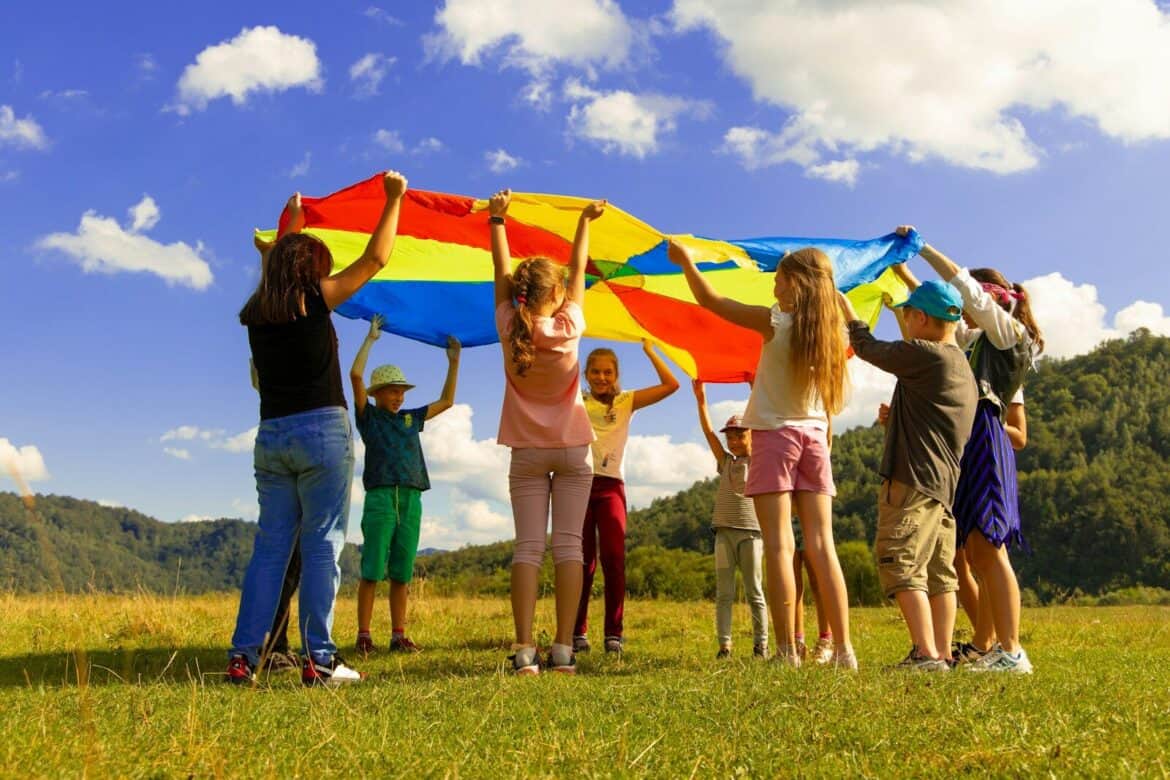
• outdoor games
• interactive play areas
• creative workshops
• obstacle courses
• inflatable play structures
When children are engaged in shared activities, the party becomes about movement, imagination, and social interaction, rather than gifts or throwaway toys.
Experience-based celebrations often create stronger memories and encourage kids to participate together rather than individually.
One Shared Activity Instead of Dozens of Disposable Toys

One of the most effective ways to reduce party waste is to replace multiple disposable items with one shared activity that everyone enjoys.
For example, inflatable play areas and bounce houses allow dozens of children to participate in a single reusable experience.
Instead of each child receiving plastic toys that may be used once and discarded, kids spend hours running, jumping, and interacting together.
Local companies like Grand Gator Events of Temecula CA provide inflatable rentals that help families create active outdoor celebrations centered on shared fun rather than disposable entertainment.
In this model, one reusable activity can replace dozens of throwaway party favors while also encouraging movement and social play.
Encouraging Outdoor Play
Experience-based celebrations also encourage something many children need more of: time outside.
Outdoor events naturally promote:
• physical activity
• teamwork and cooperation
• imagination and creative play
• social interaction
Children who participate in active play often remain engaged longer and develop stronger social connections than those focused on passive entertainment.
These outdoor experiences also help reinforce the idea that fun does not have to come from screens or consumer products.
Small Changes That Build Sustainable Habits
Sustainability often grows from everyday decisions.
Choosing reusable decorations, reducing disposable party favors, and focusing on shared activities may seem like small changes. But these shifts help shape how the next generation thinks about consumption and experiences.
When children grow up valuing activities, friendships, and creativity more than disposable items, they develop habits that align naturally with sustainability.
Celebrations That Create Memories — Not Waste
At its core, a great celebration is about connection.
Children remember the laughter, the games, and the excitement of being together far more than the small plastic toys they took home in a gift bag.
By focusing on shared experiences instead of disposable products, families can create events that are more memorable, more engaging, and more aligned with a sustainable future.
Sometimes the most meaningful changes begin with something simple:
Choosing experiences over excess.