Introduction
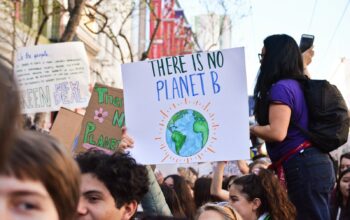
Activism doesn’t always look like protests or petitions. Around the world, artists are using creativity to spotlight climate issues, inspire dialogue, and move people emotionally in ways data alone cannot.
The Language of Art
Visual art can make abstract problems tangible. Murals of melting glaciers or sculptures made from ocean plastics turn distant issues into immediate, visceral experiences.
Music as a Movement
Musicians have long been tied to social causes. Today, climate-focused songs and benefit concerts raise both awareness and funds for environmental campaigns. Music also fosters a sense of unity across diverse audiences.
Performance and Storytelling
Theater, film, and dance interpret climate themes in ways that connect emotionally. Storytelling brings science down to a human scale, allowing audiences to see themselves in the crisis.
Why Creative Activism Works
Facts inform, but emotions move people to act. Art bypasses resistance and sparks empathy, making it a crucial complement to traditional forms of activism.
Conclusion
Creative activism expands the toolbox of climate movements. By blending science with storytelling, activists can reach hearts as well as minds — and inspire broader participation in the fight for the planet.