Introduction
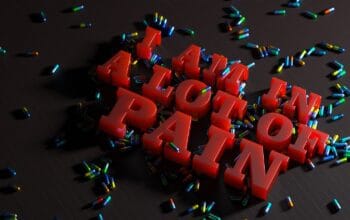
As climate change intensifies, so does a new kind of mental health challenge: eco-anxiety. For many young people, the constant stream of environmental news creates feelings of fear, helplessness, and uncertainty about the future.
What Is Eco-Anxiety?
Eco-anxiety isn’t a clinical disorder but a growing psychological response to the climate crisis. It’s marked by worry about environmental doom, guilt over personal consumption, and stress about the lack of global action.
Why Young People Are Affected Most
Gen Z and Millennials will live longest with the consequences of climate change. Social media exposes them to climate news daily, often without balance or context. This combination fuels stronger emotional responses.
Positive Channels for Anxiety
Not all eco-anxiety is negative. For some, it acts as a motivator — pushing them toward activism, sustainable living, or careers in environmental fields. The challenge is channeling worry into constructive action.
The Role of Community
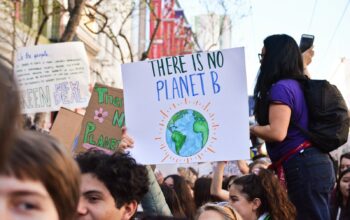
Joining climate groups, attending rallies, or even participating in online discussions can transform anxiety into empowerment. Shared concern reduces isolation and builds resilience.
Conclusion
Eco-anxiety reflects the reality of a generation facing unprecedented challenges. By acknowledging it and providing outlets for positive action, we can help young people turn fear into fuel for change.